Introduction: The Tropical Garden Environment
Tropical high-rainfall areas offer tremendous potential for abundant, year-round food production. With consistent warmth, ample moisture, and long growing seasons, these regions can support diverse and productive gardens. However, these same conditions also present unique challenges: excessive rainfall can lead to waterlogging, soil nutrient leaching, erosion, and increased pest and disease pressure.
This guide focuses on strategies for managing gardens in tropical regions that receive high rainfall (typically over 1500mm annually), such as parts of Central and West Africa, the Congo Basin, coastal regions, and areas near the equator. We'll explore how to harness the advantages of these environments while mitigating their challenges.
By implementing appropriate water management, soil conservation, and crop selection techniques, gardeners in high-rainfall tropical areas can create resilient, productive systems that provide food security and income throughout the year.

A well-managed tropical garden can be incredibly productive year-round.
Water Management and Drainage Solutions
In high-rainfall areas, managing excess water is often more critical than irrigation. Poor drainage can lead to waterlogged soils, root rot, nutrient leaching, and increased disease pressure.
Assessing Drainage Needs
- Observe Water Flow: During heavy rain, observe how water moves across your land. Note areas where water pools or flows rapidly.
- Soil Test: Dig a hole about 50cm deep and fill it with water. If it doesn't drain within 24 hours, you have drainage issues.
- Soil Type: Heavy clay soils retain more water and drain poorly compared to sandy or loamy soils.
Drainage Solutions
- Raised Beds: One of the most effective solutions for tropical gardens. Raising the planting area 15-30cm above ground level improves drainage significantly. Construct beds with sides of bamboo, wood, stone, or compacted soil.
- Drainage Channels: Dig shallow channels between beds and around the garden perimeter to direct excess water away from growing areas.
- Swales: On sloped land, construct swales (level ditches along contour lines) to slow water flow, reduce erosion, and increase infiltration in desired areas.
- French Drains: For areas with severe drainage problems, consider installing subsurface drains filled with gravel and perforated pipes.

Raised beds with drainage channels between them.

Swales capture water on slopes and reduce erosion.
Water Harvesting for Dry Periods
Even in high-rainfall areas, there may be dry seasons or periods between rains when irrigation is necessary:
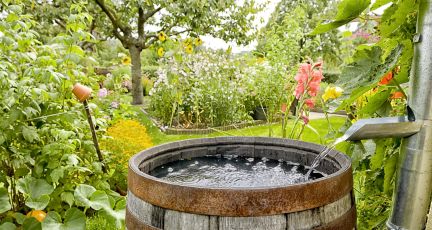
- Rainwater Harvesting: Collect rainwater from roofs into tanks, barrels, or cisterns for use during dry periods.
- Ponds: Consider creating small ponds to store excess water for later use.
- Mulching: Apply thick mulch (10-15cm) to retain soil moisture during dry periods and protect soil from heavy rainfall impact.
Seasonal Planning
In many tropical regions, there are distinct wet and dry seasons. Plan your drainage systems for the wettest periods, but ensure you have water storage solutions for the dry season.
Soil Management in High-Rainfall Areas
High rainfall can rapidly deplete soil nutrients through leaching and erosion. Maintaining soil fertility requires different approaches than in drier regions.
Challenges of Tropical Soils
- Nutrient Leaching: Heavy rains wash away soluble nutrients, particularly nitrogen.
- Rapid Organic Matter Decomposition: Warm, moist conditions accelerate decomposition, making it challenging to build up organic matter.
- Soil Acidity: Many tropical soils are naturally acidic, and leaching increases acidity over time.
- Compaction: Heavy rainfall can compact soil, reducing aeration and root penetration.
Soil Improvement Strategies
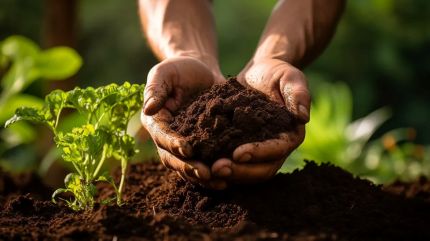
- Continuous Organic Matter Addition: Add compost, manure, and plant residues regularly, not just seasonally. In tropical conditions, organic matter breaks down quickly and needs frequent replenishment.
- Cover Cropping: Maintain living cover on the soil whenever possible. Fast-growing cover crops like mucuna, lablab, or cowpeas protect soil and add organic matter.
- Mulching: Keep soil covered with organic mulch to protect from heavy rain impact, reduce erosion, and add organic matter as it decomposes.
- Biochar: Consider incorporating biochar, which can improve nutrient retention and reduce leaching in high-rainfall areas.
- pH Management: Test soil pH regularly. If acidic (common in tropical soils), add lime or wood ash to raise pH to appropriate levels for your crops.
- Minimal Tillage: Reduce soil disturbance to maintain structure and prevent erosion. Consider no-till or minimal tillage approaches.
Nutrient Management
- Frequent, Small Applications: Apply fertilizers (organic or mineral) in small, frequent doses rather than large, infrequent applications to reduce leaching losses.
- Slow-Release Sources: Use slow-release nutrient sources like compost, manure, bone meal, or rock phosphate that release nutrients gradually.
- Foliar Feeding: Consider foliar application of nutrients during heavy rainfall periods when soil nutrients may be leaching.
- Green Manures: Incorporate nitrogen-fixing legumes into your rotation to improve soil fertility naturally.
Erosion Control Strategies
Heavy tropical rains can cause severe soil erosion if not properly managed. Protecting soil from erosion is critical for long-term garden sustainability.
- Contour Planting: On slopes, plant along contour lines (perpendicular to the slope) to slow water flow and reduce erosion.
- Terracing: For steeper slopes, consider building terraces to create level planting areas and prevent soil loss.
- Vegetative Barriers: Plant strips of dense vegetation (like lemongrass, vetiver grass, or pigeon peas) along contours to slow water flow and trap sediment.
- Ground Cover: Maintain continuous ground cover through intercropping, living mulches, or cover crops to protect soil from raindrop impact.
- Mulching: Apply thick mulch to absorb the impact of heavy rain and prevent soil splashing and erosion.
- Check Dams: In drainage channels, install small barriers (rock, bamboo, or living plants) to slow water flow and trap sediment.

Contour planting with vegetative barriers helps control erosion on slopes.
Selecting Crops for Tropical Conditions
Choosing appropriate crops is essential for success in high-rainfall tropical environments. Focus on species and varieties adapted to humid conditions.
Well-Adapted Staple Crops
- Root and Tuber Crops: Cassava, yams, taro (cocoyam), sweet potatoes, and arrowroot are well-adapted to tropical conditions and provide reliable carbohydrate sources.
- Bananas and Plantains: Excellent tropical staples that thrive in high rainfall if drainage is adequate.
- Rice: Paddy or upland varieties depending on your specific conditions.
- Maize: Select varieties bred specifically for humid tropical conditions with resistance to common diseases.
Vegetables for High-Rainfall Areas
- Leafy Greens: Amaranth, jute mallow (Corchorus), African nightshade, sweet potato leaves, cassava leaves, moringa, and local greens often perform well.
- Fruiting Vegetables: Eggplant (especially African varieties), okra, peppers (hot and sweet), tomatoes (select disease-resistant varieties), and African garden egg.
- Legumes: Pigeon peas, cowpeas, winged beans, yard-long beans, and groundnuts (in well-drained areas).
- Others: Cucurbits (cucumber, pumpkin, squash), indigenous vegetables specific to your region.
Fruits for Tropical Gardens
- Tree Fruits: Papaya, mango, avocado, citrus, jackfruit, breadfruit, soursop, guava, and indigenous fruit trees.
- Smaller Fruits: Pineapple, passion fruit, and berries adapted to tropical conditions.
Disease Resistance is Key
When selecting varieties, prioritize disease resistance. High humidity and rainfall create ideal conditions for fungal and bacterial diseases. Seek out locally adapted varieties with proven resistance.
Planting Techniques and Timing
Successful planting in tropical high-rainfall areas requires attention to timing and technique.
Planting Calendar
- Understand Local Seasons: Most tropical regions have distinct wet and dry seasons rather than temperature-based seasons. Learn the typical pattern in your area.
- Timing for Annual Crops: For most annual vegetables, plant at the beginning of the rainy season or toward the end of heavy rains (to reduce disease pressure during establishment).
- Perennials: Plant trees and perennials early in the rainy season to allow establishment before dry periods.
- Staggered Planting: Plant in succession for continuous harvests and to spread risk across different weather patterns.
Planting Techniques
- Raised Planting Positions: Even within raised beds, create slightly elevated planting mounds for crops sensitive to waterlogging.
- Appropriate Spacing: In humid conditions, provide adequate spacing between plants to improve air circulation and reduce disease pressure.
- Intercropping: Combine crops with different growth habits, root depths, and nutrient needs to maximize space and reduce pest/disease spread.
- Vertical Growing: Utilize trellises, stakes, or other supports to grow vining crops vertically, improving air circulation and reducing disease.
Managing Pests and Diseases in Humid Environments
High humidity and rainfall create ideal conditions for many pests and diseases. Integrated management is essential.
Common Challenges
- Fungal Diseases: Various blights, mildews, rusts, and rots thrive in humid conditions.
- Bacterial Diseases: Bacterial wilts and blights can be severe in tropical conditions.
- Insect Pests: Many insect populations build up rapidly in tropical environments.
- Slugs and Snails: Often problematic in wet conditions.
Prevention Strategies
- Resistant Varieties: The first line of defense - select locally adapted, disease-resistant varieties.
- Proper Spacing: Ensure adequate spacing between plants to improve air circulation.
- Timing: Adjust planting times to avoid the wettest periods for disease-sensitive crops.
- Crop Rotation: Practice strict rotation to prevent buildup of soil-borne diseases.
- Raised Beds: Improve drainage to reduce conditions favorable for disease development.
- Sanitation: Remove and destroy diseased plant material promptly.
Natural Management Approaches
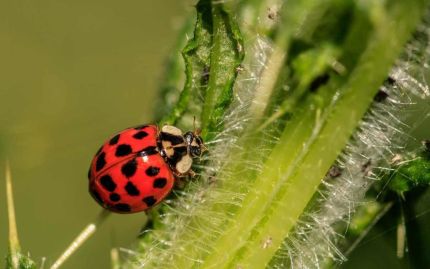
- Biological Controls: Encourage beneficial insects and natural predators.
- Plant-Based Sprays: Neem oil, garlic, hot pepper, and other botanical preparations can help manage certain pests.
- Physical Barriers: Use row covers, sticky traps, or physical barriers to protect crops.
- Companion Planting: Integrate pest-repellent plants throughout the garden.
- Traps and Baits: For specific pests like slugs or certain insects.
Morning Maintenance
Perform garden maintenance in the morning when leaves can dry quickly afterward. Pruning, harvesting, or other activities that disturb foliage in late afternoon can leave plants wet overnight, increasing disease risk.
Traditional Tropical Farming Systems
Traditional farming systems in tropical regions have evolved over centuries to manage high rainfall effectively. These systems offer valuable insights for modern gardeners.
Multi-Layered Agroforestry
Many traditional tropical farming systems mimic forest structure with multiple layers:
- Canopy Layer: Tall fruit or timber trees that provide partial shade and protect soil from heavy rain impact.
- Middle Layer: Smaller trees and shrubs like bananas, papaya, or coffee.
- Lower Layer: Annual crops, vegetables, and herbs.
- Ground Layer: Cover crops, herbs, or mulch to protect soil.
- Root Layer: Root crops utilizing different soil depths.
This approach maximizes space, diversifies production, and creates a more resilient system.
Traditional Techniques Worth Adopting
- Mounding Systems: Various traditional mounding techniques improve drainage and concentrate fertility.
- Intercropping Patterns: Specific combinations of plants that support each other and manage pests.
- Living Fences: Boundaries created with useful plants that also serve as windbreaks and habitat.
- Indigenous Microclimate Management: Strategic placement of plants to create favorable microclimates.

Traditional multi-layered agroforestry systems effectively manage tropical conditions.
Year-Round Production Strategies
One of the greatest advantages of tropical climates is the potential for year-round production with proper planning.
Continuous Harvesting Approaches
- Succession Planting: Plant new crops every few weeks to ensure continuous harvests.
- Perennial Integration: Include perennial vegetables and fruits that produce throughout the year or during specific seasons.
- Seasonal Planning: Match crops to the seasons when they perform best - some may thrive in the wettest periods, others during drier times.
- Protected Growing: Simple structures with clear plastic roofing (but open sides for ventilation) can protect sensitive crops during the heaviest rainfall periods.
Seasonal Adaptations
- Wet Season Focus: During peak rainfall, emphasize raised beds, very well-drained areas, and crops that tolerate wet conditions.
- Dry Season Strategies: Utilize water harvesting systems, mulching, and more water-demanding crops during drier periods.
- Transition Periods: Often the best times for establishing new plantings.
Record Keeping
Keep detailed records of planting dates, varieties, performance, and weather patterns. Over time, this information will help you develop an optimal planting calendar specific to your location.
Further Resources
- Dilulu Guide: Water-Wise Gardening (for managing dry season periods)
- Dilulu Fact Sheet: Plant Disease Management
- Dilulu Fact Sheet: Rainwater Harvesting
- Local agricultural extension services
- Regional research institutions focusing on tropical agriculture

Download the Full Guide
Get the complete Tropical Garden Management guide in PDF format for offline access.
Download PDF