Introduction: The Value of School Gardens
School gardens are powerful educational tools that transform outdoor spaces into living laboratories where students can engage in hands-on learning across multiple subjects. Beyond simply growing plants, school gardens provide rich opportunities for experiential education, connecting children to food systems, environmental stewardship, and cultural heritage.
Research has shown that school gardens offer numerous benefits:
- Academic Enhancement: Gardens provide practical applications for science, mathematics, language arts, social studies, and art.
- Improved Nutrition: Students who grow food are more likely to eat fruits and vegetables and develop healthier eating habits.
- Environmental Awareness: Gardens foster understanding of ecological systems, sustainability, and environmental responsibility.
- Social Development: Collaborative garden work builds teamwork, communication skills, and a sense of community.
- Physical Activity: Gardening provides opportunities for movement and outdoor exercise.
- Cultural Connection: Gardens can preserve and celebrate traditional agricultural practices and food heritage.
This guide provides practical approaches to creating, maintaining, and integrating school gardens into educational programs across Africa, with adaptations for different climates, resources, and educational contexts.

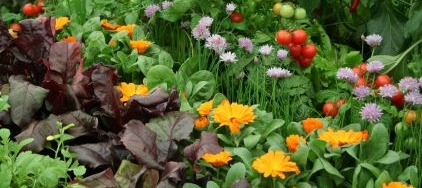
School gardens create meaningful hands-on learning opportunities.
Planning a School Garden
Thoughtful planning is essential for creating a successful and sustainable school garden.
Forming a Garden Committee
- Diverse Representation: Include teachers, administrators, students, parents, grounds staff, and community members.
- Clear Roles: Define responsibilities for planning, implementation, maintenance, and curriculum integration.
- Regular Meetings: Establish a consistent meeting schedule to maintain momentum and address challenges.
Setting Clear Goals
Define what you want to achieve with your school garden. Common goals include:
- Educational: Supporting specific curriculum objectives or teaching particular skills.
- Nutritional: Growing food for school meals or teaching about healthy eating.
- Environmental: Creating habitat, demonstrating sustainable practices, or teaching conservation.
- Social: Building community, preserving cultural knowledge, or developing leadership.
Having clear goals will guide your design, plant selection, and program development.
Site Assessment
- Sunlight: Track sun patterns throughout the day and seasons. Most vegetables need 6-8 hours of direct sunlight.
- Water Access: Ensure reliable water sources are available or can be installed.
- Soil Quality: Test soil for fertility, drainage, and potential contaminants.
- Existing Features: Note trees, structures, slopes, and drainage patterns.
- Security and Accessibility: Consider visibility, protection from vandalism, and access for students of all abilities.
- Proximity: Ideally, locate gardens close to classrooms for easy integration into daily activities.
Resource Assessment
- Budget: Determine available funds and potential funding sources.
- Materials: Inventory existing tools, equipment, and materials that could be repurposed.
- Human Resources: Assess available time from teachers, volunteers, and maintenance staff.
- Local Expertise: Identify community members with gardening knowledge who might assist.
Start Small, Plan for Growth
It's better to start with a small, well-maintained garden that can be expanded over time than to create a large garden that becomes overwhelming. Consider implementing the garden in phases based on available resources and capacity.
Designing for Learning and Accessibility
The physical design of a school garden should support its educational goals while ensuring accessibility for all students.
Garden Zones and Features
Consider including various zones based on your goals:
- Vegetable Production Area: Raised beds or in-ground plots for growing food crops.
- Indigenous Plant Section: Area showcasing local native plants and their traditional uses.
- Composting Station: Designated area for composting garden and food waste.
- Outdoor Classroom: Seating area where classes can gather for lessons.
- Weather Station: Simple equipment for monitoring rainfall, temperature, and wind.
- Pollinator Garden: Area designed to attract beneficial insects and birds.
- Sensory Garden: Plants selected for interesting textures, scents, sounds, and tastes.
- Demonstration Areas: Spaces showing different growing methods or water conservation techniques.
Accessibility Considerations
- Pathways: Create firm, level paths at least 1.2m wide for wheelchair access.
- Raised Beds: Build some beds at appropriate heights (60-90cm) for wheelchair users or students who have difficulty bending.
- Tool Storage: Ensure tools are stored accessibly and include adaptive tools if needed.
- Signage: Use clear, large-print labels, possibly with pictures or braille for inclusive learning.
- Shade: Include shaded areas for students who are sensitive to sun exposure.
- Seating: Provide various seating options at different heights.

Raised beds at various heights improve accessibility.

Dedicated teaching space enhances learning opportunities.
Plant Selection for Educational Value
- Fast-Growing Plants: Include some quick-growing crops (radishes, lettuce, beans) for early success and engagement.
- Diversity: Showcase a variety of plant types, growth habits, and uses.
- Cultural Significance: Include plants with historical or cultural importance to the local community.
- Seasonal Variety: Plan for continuous growth and harvesting throughout the school year.
- Student Interest: Involve students in selecting some plants to increase ownership.
Curriculum Integration
A school garden reaches its full potential when integrated across the curriculum, becoming a tool for teaching multiple subjects.
Cross-Curricular Connections
- Science: Plant biology, ecosystems, soil science, weather, insect life cycles, biodiversity.
- Mathematics: Measurement, data collection and analysis, geometry, budgeting, calculating area and perimeter.
- Language Arts: Garden journals, descriptive writing, research projects, storytelling, garden-themed literature.
- Social Studies: Cultural food traditions, agricultural history, food systems, geography, economics of farming.
- Art: Observational drawing, garden design, natural dyes, plant-inspired art.
- Health and Nutrition: Food preparation, nutritional value of fresh produce, healthy eating habits.
Sample Garden-Based Lesson Ideas
- Seed to Table (Science/Health): Track the complete life cycle of a food plant from seed to harvest, culminating in preparing and eating the food.
- Market Mathematics (Math/Economics): Harvest, weigh, and "sell" garden produce, calculating costs, profits, and percentages.
- Cultural Heritage Garden (Social Studies/Language Arts): Research and grow traditional crops, document their cultural significance, and collect related stories or recipes.
- Weather Watchers (Science/Math): Record daily weather data, analyze patterns, and observe effects on plant growth.
- Pollinator Project (Science/Art): Observe and document pollinators, research their importance, and create pollinator-friendly habitat.
Curriculum Mapping
Create a garden curriculum map that aligns garden activities with specific curriculum standards and objectives for each grade level. This helps teachers see how the garden supports required learning outcomes and makes integration more manageable.
Assessment Strategies
Garden-based learning can be assessed through various methods:
- Garden Journals: Students document observations, activities, and reflections.
- Project-Based Assessments: Evaluate student-designed garden projects or experiments.
- Presentations: Students present findings or teach others about garden topics.
- Portfolios: Collections of garden-related work across subjects.
- Practical Demonstrations: Students demonstrate skills like proper planting or tool use.
Student Engagement Strategies
Meaningful student involvement is key to a successful school garden program.
Age-Appropriate Participation
- Early Primary (Ages 5-8): Simple, supervised tasks like watering, harvesting, sensory exploration, and basic planting.
- Upper Primary (Ages 9-12): More complex tasks including bed preparation, composting, measurement, record-keeping, and cooking.
- Secondary (Ages 13+): Garden planning, research projects, system design, leadership roles, community outreach, and entrepreneurial activities.
Student Leadership Opportunities
- Garden Clubs: Extracurricular groups with special garden responsibilities and projects.
- Student Garden Committees: Representatives who participate in garden decision-making.
- Garden Monitors: Rotating roles for daily garden maintenance tasks.
- Peer Teaching: Older students teaching younger ones about garden topics.
- Garden Ambassadors: Students who give tours or presentations to visitors.
Making Connections to Food and Culture
- Cooking Activities: Prepare simple dishes using garden harvest.
- Cultural Celebrations: Host events highlighting traditional foods and agricultural practices.
- Community Elders: Invite knowledge holders to share traditional growing methods and food preparation.
- Food Preservation: Teach methods for extending the use of garden produce (drying, pickling).
- Seed Saving: Connect students to the concept of seed sovereignty and biodiversity preservation.

Cooking activities create meaningful connections to garden produce.
Sustainable Maintenance Approaches
Maintaining a school garden throughout the year, including holidays and breaks, requires thoughtful planning.
Seasonal Planning
- School Year Calendar: Align planting schedules with the academic calendar, focusing on crops that can be planted and harvested within school terms.
- Holiday Strategies: Plan low-maintenance approaches for school breaks (mulching, self-watering systems, drought-tolerant plants).
- Seasonal Transitions: Schedule major garden preparation work for the beginning of terms when enthusiasm is high.
Maintenance Systems
- Rotation Schedules: Create clear schedules for classes or student groups to share garden responsibilities.
- Maintenance Checklists: Develop simple, visual task lists for different garden areas.
- Holiday Care Teams: Organize volunteer groups (parents, community members, staff) to maintain the garden during school breaks.
- Water Conservation: Implement efficient irrigation systems, mulching, and water-wise practices to reduce maintenance needs.
- Record Keeping: Maintain a garden journal documenting activities, challenges, and successes to inform future planning.
Sustainable Practices
Model environmental responsibility by implementing organic gardening methods, water conservation, composting, and integrated pest management. These approaches not only reduce environmental impact but also create valuable teaching opportunities.
Overcoming Common Challenges
School gardens face specific challenges that can be addressed with proactive strategies.
Limited Resources
- Start Small: Begin with a manageable size that can be expanded as resources increase.
- Repurposed Materials: Use locally available or recycled materials for beds, tools, and structures.
- Community Donations: Seek donations of seeds, tools, materials, or volunteer time from local businesses and families.
- Grant Opportunities: Research educational or agricultural grants available for school gardens.
Time Constraints
- Integration vs. Addition: Integrate garden activities into existing curriculum rather than treating them as extra activities.
- Efficient Systems: Create clear routines and systems that minimize transition time.
- Focused Activities: Plan short, targeted garden sessions that accomplish specific learning objectives.
- Volunteer Support: Engage parents or community volunteers to assist with preparation and maintenance.
Continuity and Sustainability
- Documentation: Create detailed garden plans, curriculum resources, and maintenance guides that can be passed on.
- Broad Involvement: Engage multiple teachers and staff to ensure the garden doesn't depend on a single champion.
- Institutional Support: Secure formal recognition of the garden as a school resource in school policies.
- Succession Planning: Train new student leaders and teachers each year to maintain knowledge and enthusiasm.
A successful school garden often extends beyond the school to engage the wider community.
Engaging Parents and Families
- Garden Work Days: Schedule regular community workdays for major garden projects.
- Take-Home Activities: Create garden-related activities that students can do with families at home.
- Harvest Celebrations: Host events where families can enjoy garden produce and see student work.
- Skills Exchange: Invite parents with gardening knowledge to share expertise with students.
Local Partnerships
- Agricultural Extension Services: Connect with local agricultural officers for technical support.
- Local Farmers: Partner with nearby farmers for mentorship, seeds, or materials.
- Businesses: Seek sponsorships or in-kind donations from local businesses.
- NGOs: Collaborate with organizations working in agriculture, nutrition, or education.
- Other Schools: Form networks with other school gardens to share resources and knowledge.
Communication Strategies
- Regular Updates: Share garden news through school newsletters, social media, or community meetings.
- Student Ambassadors: Train students to give garden tours to visitors and explain projects.
- Community Events: Host open days, markets, or workshops in the garden.
- Documentation: Create photo displays, videos, or publications showcasing garden activities and learning.
Case Studies and Success Stories
Learning from successful school garden programs can provide inspiration and practical ideas.
Case Study: Primary School Garden, Kenya
A primary school in rural Kenya transformed an unused area into a productive garden that now supplements the school feeding program. Key success factors included:
- Partnership with local agricultural extension officer for technical support
- Integration of traditional crops and farming knowledge from community elders
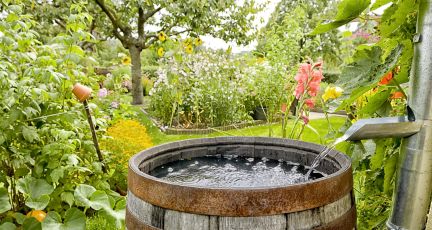
- Rainwater harvesting system to ensure water availability
- Student "Garden Ambassadors" program that builds leadership skills
- Weekly market day where excess produce is sold to support garden expenses
Case Study: Secondary School Entrepreneurial Garden, Ghana
A secondary school developed a garden program with a focus on agricultural entrepreneurship. Students learn business skills by:
- Managing specialized growing areas (vegetables, fruits, medicinal plants)
- Developing value-added products (dried herbs, preserved foods)
- Marketing and selling products to the local community
- Maintaining financial records and analyzing profitability
- Reinvesting profits into garden expansion and school needs
Case Study: Urban School Garden Network, South Africa
A network of urban schools created interconnected garden programs that share resources and knowledge:
- Centralized seedling production at one school with a greenhouse
- Rotating specialized tools among schools
- Joint teacher training and curriculum development
- Annual inter-school garden competition and celebration
- Collective purchasing power for supplies and materials
Further Resources
- Dilulu School Garden Curriculum Guide (Downloadable PDF)
- Dilulu Guide: Companion Planting
- Dilulu Fact Sheet: Composting Basics
- Dilulu Fact Sheet: Seed Saving
- Local agricultural extension services
- Regional school garden networks and support organizations

Download the Full Guide
Get the complete School Gardens guide in PDF format for offline access.
Download PDF