Introduction: Market Gardening Opportunities
Market gardening—the practice of growing vegetables, fruits, herbs, and flowers on a small scale for direct sale to customers—offers an accessible pathway to transform gardening skills into a viable income source. Unlike large-scale commercial farming, market gardening typically operates on smaller land areas (often under 2 hectares) with a focus on high-value crops, intensive growing methods, and direct marketing.
Across Africa, market gardening presents significant opportunities:
- Growing Demand: Increasing consumer interest in locally grown, fresh, and organic produce creates market opportunities.
- Low Startup Requirements: Compared to other businesses, market gardening can begin with relatively modest investments.
- Scalability: Operations can start small and expand gradually as skills, markets, and capital develop.
- Adaptability: Market gardens can thrive in diverse settings, from urban peripheries to rural areas.
- Multiple Income Streams: Beyond fresh produce, market gardens can generate income through value-added products, seedlings, educational activities, and agritourism.
This guide provides practical approaches to establishing and managing a profitable market garden, with adaptations for different African contexts, climates, and market conditions. Whether you're a home gardener looking to generate supplemental income or an entrepreneur aiming to build a full-time business, these principles will help you navigate the journey from hobby to income-generating enterprise.
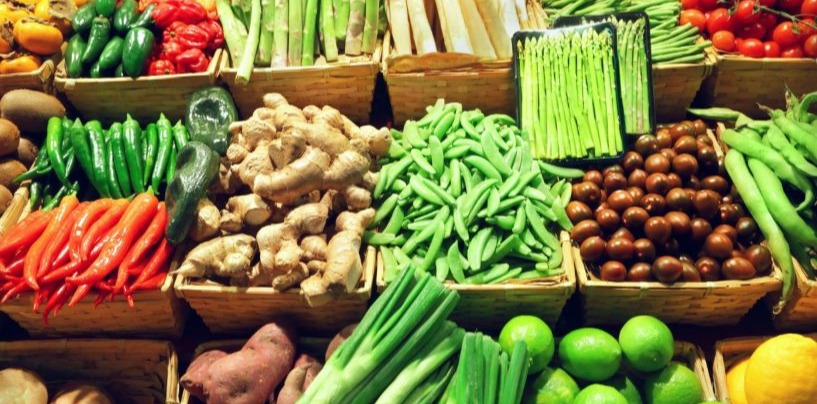
A well-designed market garden maximizes production in limited space.
Assessing Your Readiness
Before investing significant time and resources into a market garden, it's important to honestly assess your readiness for this transition.
Skills Assessment
- Growing Experience: Successful production of diverse crops through multiple seasons.
- Physical Capacity: Ability to handle the physical demands of intensive gardening.
- Time Management: Capacity to commit consistent time to garden maintenance and business activities.
- Problem-Solving: Ability to troubleshoot crop issues, equipment problems, and other challenges.
- Business Aptitude: Basic understanding of marketing, sales, record-keeping, and customer service.
Resource Assessment
- Land Access: Suitable growing space with appropriate sun exposure, water access, and soil quality.
- Water Resources: Reliable, affordable water source sufficient for commercial production.
- Startup Capital: Funds for initial investments in infrastructure, tools, seeds, and materials.
- Support Network: Family support, mentors, or community resources to provide guidance and assistance.
- Market Access: Proximity to potential customers or distribution channels.
Start Where You Are
You don't need to have everything perfectly in place to begin. Many successful market gardeners start with limited resources and build gradually. Identify your strongest assets and begin there, while developing plans to address gaps over time.
Market Assessment
- Customer Identification: Who will buy your produce? Consider demographics, purchasing power, and food preferences.
- Competition Analysis: What other producers are serving your potential market? What gaps exist?
- Price Points: What prices can your target market support? How do these compare to your production costs?
- Distribution Channels: What sales venues are available? (Markets, direct delivery, restaurants, etc.)
- Seasonal Demand: How does demand fluctuate throughout the year?
Planning Your Market Garden
Thoughtful planning is essential for creating a market garden with strong foundations for profitability and sustainability.
Site Planning and Design
- Garden Layout: Design efficient growing spaces with consideration for workflow, irrigation, and equipment access.
- Infrastructure Needs: Identify essential structures (tool storage, washing station, propagation area, etc.).
- Water Systems: Plan efficient irrigation that minimizes labor while ensuring adequate water delivery.
- Access and Workflow: Design paths and work areas to minimize walking distance and maximize efficiency.
- Expansion Potential: Consider how the garden can grow over time as your business develops.
Business Planning
- Vision and Goals: Define clear, measurable objectives for your market garden business.
- Financial Projections: Estimate startup costs, operating expenses, and potential revenue.
- Marketing Strategy: Identify target customers and how you'll reach them.
- Risk Assessment: Consider potential challenges and develop contingency plans.
- Legal Considerations: Research relevant regulations, permits, and certifications.

Efficient garden layout minimizes labor and maximizes production.

A basic washing station improves efficiency and product quality.
Production Planning and Management
Successful market gardening requires systematic production planning to ensure consistent harvests that meet market demand.
Crop Planning
- Succession Planting: Staggered plantings to ensure continuous harvests of popular crops.
- Seasonal Calendars: Detailed planting schedules aligned with local growing conditions and market demand.
- Record Keeping: Systematic documentation of planting dates, varieties, yields, and performance.
- Diversity Management: Balancing variety for market appeal with efficiency of production.
Production Systems
- Bed Systems: Standardized bed widths and lengths for efficient management and tool use.
- Intensive Spacing: Close plant spacing to maximize yield per area while maintaining quality.
- Vertical Growing: Utilizing trellises and vertical space for appropriate crops.
- Season Extension: Simple techniques like row covers or shade cloth to extend growing seasons.
- Intercropping: Strategic combinations of compatible crops to maximize space utilization.
Soil Management for Commercial Production
- Fertility Planning: Systematic approach to maintaining soil nutrients for continuous production.
- Compost Production: Scaled-up composting to meet the needs of a production garden.
- Cover Cropping: Strategic use of cover crops in rotation to build soil and manage weeds.
- Mulching Systems: Efficient application of mulch for weed suppression and moisture conservation.
- Soil Testing: Regular testing to monitor nutrient levels and guide amendments.
Avoid Overproduction
A common mistake for new market gardeners is growing too much of everything. Start with a manageable diversity of crops, focusing on those with proven market demand and good profit margins. Expand your selection gradually as you develop efficient systems and confirm market interest.
Crop Selection and Rotation
Strategic crop selection is crucial for market garden profitability and sustainability.
Criteria for Crop Selection
- Market Demand: Focus on crops with confirmed customer interest and willingness to pay.
- Profit Potential: Consider yield, price point, and production costs to identify high-margin crops.
- Growing Conditions: Select crops well-adapted to your local climate, soil, and water availability.
- Production Efficiency: Consider labor requirements, growing time, and space utilization.
- Storage and Handling: Evaluate post-harvest durability and processing requirements.
High-Value Crops for African Market Gardens
- Leafy Greens: Quick-growing, high-value crops like lettuce, spinach, kale, and indigenous greens.
- Herbs: Culinary and medicinal herbs often command premium prices.
- Specialty Vegetables: Unique varieties or crops not widely available in conventional markets.
- High-Demand Staples: Popular vegetables like tomatoes, peppers, and onions grown with superior quality.
- Cut Flowers: Can provide excellent returns in appropriate markets.
Crop Rotation and Planning
- Family-Based Rotation: Organize rotations based on plant families to break pest and disease cycles.
- Nutrient Needs: Rotate heavy feeders with light feeders and soil builders.
- Market Timing: Plan rotations to align harvests with periods of highest demand or price.
- Labor Distribution: Stagger planting and harvesting to distribute workload evenly.
- Record Systems: Maintain detailed maps and records to track rotations across seasons.

A diverse selection of high-quality crops attracts customers and commands premium prices.
Efficiency and Productivity Techniques
Efficient production systems are essential for market garden profitability.
Labor Efficiency
- Standardized Systems: Consistent bed sizes, tool setups, and workflows reduce decision fatigue.
- Appropriate Tools: Invest in quality hand tools and small equipment designed for intensive production.
- Batch Processing: Group similar tasks together to minimize setup and transition time.
- Ergonomics: Design systems and select tools that reduce physical strain and prevent injury.
- Time Tracking: Monitor time spent on different tasks to identify improvement opportunities.
Space Efficiency
- Intensive Planting: Close spacing that maximizes yield while maintaining crop quality.
- Vertical Growing: Trellising and vertical structures for vining crops to increase yield per area.
- Quick Turnover: Minimize time between harvest and replanting through advance preparation.
- Intercropping: Strategic combinations of compatible crops with different maturity dates.
- Relay Planting: Starting the next crop before the current one is harvested.
Resource Efficiency
- Water Conservation: Drip irrigation, mulching, and appropriate timing to minimize water use.
- Fertility Management: Precise application of compost and amendments based on crop needs.
- Energy Reduction: Design systems to minimize fuel and electricity use.
- Waste Reduction: Systems for reusing materials and converting "waste" into resources.
The Power of Systems
Develop standard operating procedures for routine tasks. Documented systems improve efficiency, maintain quality when others are helping, and allow you to evaluate and improve processes over time. Simple checklists and clear protocols can dramatically increase productivity.
Marketing and Sales Strategies
Effective marketing and sales strategies are as important as growing techniques for market garden success.
Direct Marketing Channels
- Farmers Markets: Regular presence at established markets to build customer relationships.
- Farm Gate Sales: On-site sales directly from your garden.
- Community Supported Agriculture (CSA): Subscription model where customers pay in advance for regular produce shares.
- Home Delivery: Direct delivery to customers' homes, either as subscriptions or on-demand.
- Online Sales: Digital platforms for ordering and payment, combined with pickup or delivery options.
Wholesale Channels
- Restaurants: Direct relationships with chefs interested in fresh, local produce.
- Small Retailers: Independent grocery stores, health food shops, or specialty markets.
- Institutions: Schools, hospitals, or other organizations with food service operations.
- Food Processors: Businesses creating value-added products from fresh ingredients.
Building Your Market Garden Brand
- Quality Standards: Consistent, high-quality produce that meets or exceeds customer expectations.
- Visual Identity: Distinctive logo, packaging, and presentation that reflects your values.
- Storytelling: Sharing your garden's story, practices, and unique attributes.
- Customer Education: Providing information about varieties, cooking methods, and nutritional benefits.
- Community Engagement: Building relationships through events, social media, or educational activities.
Pricing Strategies
- Cost-Based Pricing: Calculating production costs and adding an appropriate margin.
- Market-Based Pricing: Setting prices based on what the market will bear and competitor pricing.
- Value-Based Pricing: Pricing based on the unique value your products offer compared to alternatives.
- Differential Pricing: Different prices for different channels or product grades.
- Bundle Pricing: Creating packages or combinations at attractive price points.

Direct marketing builds customer relationships and captures full retail value.

Professional presentation enhances perceived value and brand recognition.
Business Management Essentials
Sound business management practices are crucial for long-term market garden success.
Financial Management
- Record Keeping: Systematic tracking of all expenses, sales, and other financial transactions.
- Enterprise Budgeting: Detailed budgets for each crop to identify profitability.
- Cash Flow Planning: Projecting income and expenses throughout the season to ensure adequate liquidity.
- Profit Analysis: Regular review of financial performance to guide decision-making.
- Investment Planning: Strategic approach to reinvesting profits for business growth.
Legal and Regulatory Considerations
- Business Registration: Appropriate legal structure and registration for your operation.
- Permits and Licenses: Required authorizations for production, processing, and sales.
- Food Safety: Compliance with relevant food safety regulations and best practices.
- Labor Regulations: Understanding and following employment laws if hiring workers.
- Insurance: Appropriate coverage for liability, property, and other risks.
Time Management and Work-Life Balance
- Seasonal Planning: Realistic work schedules that account for seasonal fluctuations.
- Priority Setting: Clear criteria for deciding what tasks are most important.
- Delegation: Identifying tasks that can be shared with family members, employees, or partners.
- Rest Periods: Scheduled downtime to prevent burnout and maintain health.
- Continuous Improvement: Regular evaluation of systems to increase efficiency over time.
The Importance of Pricing Correctly
Many new market gardeners undervalue their products, setting prices too low to sustain their business. Calculate your true costs (including your labor), research market rates, and price your products to ensure profitability. Remember that quality products command premium prices, and underpricing can actually reduce perceived value.
Case Studies and Success Stories
Learning from successful market gardeners can provide inspiration and practical ideas.
Case Study: Urban Market Garden, Kenya
A small urban market garden in Nairobi generates significant income from just 0.2 hectares through intensive production of high-value crops. Key success factors include:
- Focus on premium salad greens and herbs for high-end restaurants
- Vertical growing systems to maximize space utilization
- Rainwater harvesting and drip irrigation for water efficiency
- Direct relationships with chefs who value freshness and unique varieties
- Value-added processing of excess produce into preserved products
Case Study: Diversified Market Garden, Ghana
A family-run market garden outside Accra has developed multiple income streams from a 1-hectare plot:
- Core vegetable production for weekly farmers market sales
- Seedling production for home gardeners
- Educational workshops and garden tours
- Small CSA program with 25 member families
- Specialty crops for specific ethnic markets
Case Study: Cooperative Market Garden, Tanzania
A group of women farmers formed a cooperative market garden that allows them to access better markets:
- Shared infrastructure including irrigation system and washing station
- Coordinated production planning to ensure consistent supply
- Collective marketing under a single brand
- Shared transportation to reduce costs
- Group purchasing of inputs for better prices
Further Resources
- Dilulu Urban Gardening Solutions Manual (Downloadable PDF)
- Dilulu Guide: Companion Planting
- Dilulu Fact Sheet: Natural Fertilizers
- Dilulu Fact Sheet: Seed Saving
- Local agricultural extension services
- Regional small farm networks and support organizations

Download the Full Guide
Get the complete Market Gardens guide in PDF format for offline access.
Download PDF


