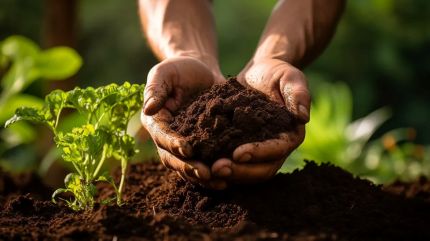
Introduction to Hot Composting
Hot composting is a managed, high-temperature composting method that accelerates the decomposition process, allowing organic materials to break down in weeks rather than months. By creating optimal conditions for thermophilic (heat-loving) microorganisms, hot composting generates temperatures of 55-65°C (131-150°F), which speeds decomposition and kills weed seeds, plant pathogens, and many harmful bacteria.
Unlike passive "cold" composting, which relies on natural decomposition with minimal intervention, hot composting requires careful planning, proper materials, and regular monitoring. The extra effort pays off with faster results, more complete decomposition, and the ability to compost a wider range of materials safely.
Key Benefits of Hot Composting
- Speed: Produces finished compost in 4-8 weeks instead of 6-12 months
- Pathogen Destruction: High temperatures kill weed seeds and plant diseases
- Weed Seed Elimination: Temperatures above 62°C (145°F) destroy most weed seeds
- Greater Volume Processing: Handles larger amounts of material efficiently
- Year-Round Operation: Can be maintained even in cooler seasons
- Wider Range of Materials: Can safely process materials that cold composting cannot
The Science of Hot Composting
Hot composting works by creating ideal conditions for thermophilic microorganisms, which thrive at high temperatures and break down organic matter rapidly. The process involves several stages of microbial activity:
Microbial Succession in Hot Composting
- Mesophilic Phase (Initial Stage): Mesophilic bacteria begin breaking down simple compounds, gradually raising the temperature.
- Thermophilic Phase (Hot Stage): As temperatures rise above 40°C (104°F), thermophilic bacteria take over, rapidly decomposing complex materials and generating significant heat.
- Cooling Phase: As easily digestible materials are consumed, activity slows, and temperatures gradually decrease.
- Maturation Phase: Mesophilic organisms return, along with fungi and actinomycetes, to break down remaining resistant compounds.
The key to successful hot composting is maintaining the thermophilic phase long enough to achieve complete decomposition and pathogen destruction. This requires balancing four critical factors:
- Carbon-to-Nitrogen Ratio: Ideally 25-30:1 for optimal microbial activity
- Moisture Content: 50-60% (feels like a wrung-out sponge)
- Oxygen Supply: Regular turning to maintain aerobic conditions
- Pile Size: Minimum 1 cubic meter (3×3×3 feet) to retain heat

Monitoring temperature is essential in hot composting.

Steam rising from a properly functioning hot compost pile.
Setting Up Your Hot Compost Pile
Creating a successful hot compost pile requires careful preparation and the right materials.
Location Selection
Choose a site that offers:
- Level, well-drained ground
- Protection from excessive wind
- Partial shade in hot climates (full sun in cold climates)
- Convenient access to water
- Enough space for turning the pile (about twice the footprint of the pile itself)
- Reasonable distance from neighbors (in case of odors during turning)
Container Options
Hot composting can be done in:
- Open Pile: Simple and easy to turn, but may lose heat more quickly
- Wire Bin: Provides structure while maintaining airflow
- Wooden Bin: Better insulation for heat retention
- Three-Bin System: Allows for different stages of composting
- Insulated Bin: Maximizes heat retention, especially in cold climates
Regardless of the container type, ensure it's at least 1 cubic meter (3×3×3 feet) to generate and maintain sufficient heat.
Material Collection and Preparation
For hot composting, it's best to collect all materials before building the pile. This allows you to create the pile all at once with the proper proportions.
Carbon-Rich Materials (Browns):
- Dry leaves
- Straw or hay
- Shredded paper and cardboard
- Wood chips (small amounts)
- Sawdust (untreated wood)
- Corn stalks
- Dried grass clippings
Nitrogen-Rich Materials (Greens):
- Fresh grass clippings
- Vegetable and fruit scraps
- Coffee grounds
- Fresh plant trimmings
- Manure from herbivores
- Legume plants
- Green leaves
Preparation Tips:
- Chop or shred materials into smaller pieces (1-3 inches or 2.5-7.5 cm) to increase surface area
- Remove any non-compostable items
- Pre-soak very dry materials
- Mix nitrogen-rich materials with carbon-rich materials before adding to the pile
Building the Hot Compost Pile
Follow these steps to build a pile that will heat up quickly and maintain high temperatures:
- Create a Base Layer: Start with 4-6 inches (10-15 cm) of coarse material like small branches or corn stalks to improve airflow from below.
- Mix Materials Thoroughly: Combine browns and greens in a ratio of approximately 2:1 by volume before adding to the pile. This ensures even distribution of carbon and nitrogen.
- Add Water as You Build: Moisten each layer as you go. Materials should feel like a wrung-out sponge—damp but not soggy.
- Build to Proper Size: Create a pile at least 3×3×3 feet (1 cubic meter) to retain heat, but not more than 5×5×5 feet (1.5 cubic meters) to avoid compaction.
- Shape the Pile: Form a slight depression on top to catch rainwater, or shape it to shed water in very wet climates.
- Optional Activator: Add a shovelful of finished compost, garden soil, or commercial compost starter to introduce beneficial microorganisms.
Materials to Avoid in Hot Compost
Even with high temperatures, certain materials should be avoided:
- Meat, fish, and bones (may attract pests before reaching killing temperatures)
- Dairy products (odor issues)
- Oils and fats (slow decomposition and potential odors)
- Pet waste from carnivores (potential pathogens)
- Diseased plants with persistent pathogens (some diseases survive high temperatures)
- Plants treated with persistent herbicides
- Large amounts of citrus peels or onions (can kill beneficial organisms)
Managing Your Hot Compost Pile
Proper management is crucial for successful hot composting. Regular monitoring and maintenance keep the process working efficiently.
Temperature Monitoring
Temperature is the most important indicator of your pile's activity. Use a compost thermometer (36-60 inches/90-150 cm long) to check temperatures daily during the active phase.
Temperature Zones and What They Mean:
- Below 40°C (104°F): Not hot enough; pile may need more nitrogen, more volume, or better moisture balance
- 40-55°C (104-131°F): Good active composting range
- 55-65°C (131-150°F): Ideal for pathogen and weed seed destruction
- Above 65°C (150°F): Too hot; can kill beneficial microorganisms and potentially cause fire hazard; turn immediately
Take temperature readings in several locations, especially the center of the pile where it's typically hottest.
Turning the Pile
Turning introduces oxygen, redistributes moisture, and ensures all materials reach high temperatures for proper decomposition and pathogen destruction.
When to Turn:
- When the temperature exceeds 65°C (150°F)
- When the temperature begins to drop significantly (more than 10°C/18°F)
- On a regular schedule (typically every 2-3 days during the active phase)
How to Turn Effectively:
- Move materials from the outer edges to the center of the new pile
- Move materials from the center to the outer edges
- Break up any clumps or compacted areas
- Check moisture and add water if necessary
- Rebuild the pile to the proper size and shape
For larger piles, consider using a pitchfork, compost aerator tool, or even a small tractor for turning.
Moisture Management
Proper moisture is critical for microbial activity. The pile should be about 50-60% moisture—like a wrung-out sponge.
Checking Moisture:
- Squeeze Test: Squeeze a handful of material. It should feel damp and release a few drops of water but not be dripping wet.
- Too Dry: Materials look dry and dusty; pile isn't heating up. Add water while turning.
- Too Wet: Materials look soggy; pile smells bad or feels compacted. Add dry browns and turn to incorporate.
In rainy climates, consider covering the pile with a tarp that allows airflow but prevents saturation. In dry climates, you may need to water the pile regularly.
Troubleshooting Common Issues
| Problem |
Possible Causes |
Solutions |
| Pile not heating up |
- Too small
- Too dry
- Not enough nitrogen
- Cold weather
|
- Add more material to increase volume
- Add water while turning
- Add nitrogen-rich materials
- Insulate pile in cold weather
|
| Pile too hot (>65°C/150°F) |
- Too much nitrogen
- Pile too large
- Not enough turning
|
- Turn immediately
- Add carbon-rich materials
- Reduce pile size if necessary
|
| Bad odor (ammonia) |
- Too much nitrogen
- Pile too compact
|
- Add carbon-rich materials
- Turn pile to increase aeration
|
| Bad odor (rotten eggs) |
- Too wet
- Poor aeration
- Compaction
|
- Turn pile immediately
- Add dry, bulky browns
- Improve drainage if necessary
|
| Attracting pests |
- Food scraps exposed
- Inappropriate materials
|
- Bury food scraps in center
- Cover with 6 inches of browns
- Remove problematic materials
|
| Pile cools too quickly after turning |
- Insufficient volume
- Too dry
- Depleted nitrogen
- Cold ambient temperatures
|
- Add more material
- Add water if needed
- Add nitrogen-rich materials
- Insulate pile
|
Monitoring Progress and Knowing When Compost is Ready
Hot composting progresses through distinct phases, each with observable characteristics.
Typical Timeline for Hot Composting
- Days 1-3: Initial heating phase. Temperatures rise to 40-50°C (104-122°F).
- Days 3-10: Peak heating phase. Temperatures reach 55-65°C (131-150°F).
- Days 10-14: First cooling phase. Temperatures begin to drop after turning.
- Days 14-30: Secondary heating phases after turnings, with progressively lower peak temperatures.
- Days 30-45: Cooling and maturation phase. Pile no longer reheats significantly after turning.
- Days 45-60: Curing phase. Pile stabilizes at ambient temperature.
This timeline can vary based on materials, management, and environmental conditions.
Signs of Finished Compost
Your hot compost is ready to use when:
- It no longer heats up after turning
- It has a dark brown to black color
- It has a pleasant, earthy smell
- The original materials are no longer recognizable (except for some woody pieces)
- The volume has reduced by approximately 50%
- The texture is crumbly and soil-like
Even when the hot phase is complete, allowing the compost to cure for an additional 2-4 weeks improves its quality and stability.
Testing Compost Readiness
Before using your compost, consider these simple tests:
- Bag Test: Place a handful of compost in a sealed plastic bag for 24 hours. When opened, it should smell earthy, not sour or ammonia-like.
- Seed Germination Test: Plant fast-growing seeds like radish or lettuce in a mix of compost and potting soil. Poor germination may indicate the compost isn't fully mature.
- Temperature Stability: The pile should remain at ambient temperature for at least a week.

Finished hot compost has a dark, crumbly texture.

Screening removes larger pieces that need more time to decompose.
Using Hot Compost in the Garden
Hot compost is a versatile soil amendment with numerous applications in the garden.
Benefits of Hot Compost
- Rich in nutrients and beneficial microorganisms
- Improves soil structure and water retention
- Enhances soil fertility and plant health
- Reduces the need for chemical fertilizers
- Helps suppress certain plant diseases
- Free from weed seeds and pathogens (when properly processed)
Application Methods
Hot compost can be used in several ways:
- Soil Amendment: Mix 1-3 inches (2.5-7.5 cm) of compost into the top 6-8 inches (15-20 cm) of garden soil before planting.
- Top Dressing: Apply a 1/2-1 inch (1.25-2.5 cm) layer around established plants, keeping it away from stems.
- Potting Mix Component: Use up to 25-30% compost in potting mixes for containers.
- Compost Tea: Steep compost in water to create a liquid fertilizer for foliar or soil application.
- Lawn Top Dressing: Apply a thin layer (1/4 inch/0.6 cm) of screened compost over lawns to improve soil health.
When to Apply Compost
- Spring: Before planting annual gardens
- Fall: After harvest to replenish soil for the next season
- Growing Season: As a side dressing for heavy feeders
- Any Time: When preparing new beds or rehabilitating poor soil
Hot Compost for Specific Garden Needs
- Vegetable Gardens: Use liberally as vegetables are heavy feeders
- Flower Beds: Incorporate before planting and as a top dressing
- Trees and Shrubs: Apply as a mulch around the drip line
- Lawns: Use finely screened compost as a top dressing
- Acid-Loving Plants: Mix with acidic materials like pine needles
Advanced Hot Composting Techniques
Berkeley Method (18-Day Hot Composting)
Developed by the University of California, Berkeley, this method produces finished compost in just 18 days through intensive management:
- Build pile with proper C:N ratio (25-30:1) and moisture (50-60%)
- Turn every 2 days for the first 2 weeks
- Maintain temperatures between 55-65°C (131-150°F)
- Allow to cure for 2-4 days after the final turning
This method requires significant labor but produces results very quickly.
Insulated Hot Composting
For cold climates or year-round hot composting:
- Use insulated bins with double walls filled with straw or foam insulation
- Build larger piles (minimum 4×4×4 feet/1.2 cubic meters) to retain heat
- Cover with insulating materials like straw bales
- Place in a sheltered location protected from cold winds
- Add hot water when turning in very cold weather
Hot Composting with Difficult Materials
Some materials require special handling in hot composting:
- Woody Materials: Chip or shred finely and mix thoroughly with nitrogen-rich materials
- Leaves: Shred before adding to prevent matting and improve decomposition
- Grass Clippings: Mix immediately with browns to prevent compaction and anaerobic conditions
- Manure: Mix with carbon-rich materials to balance nitrogen and reduce odors

Download the Hot Composting Guide
Get this complete guide in PDF format for offline reference.
Download PDF