Introduction to Compost Tea
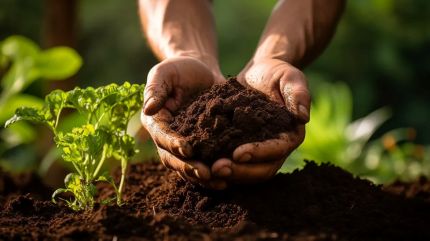
Compost tea is a liquid extract of compost that contains beneficial microorganisms, nutrients, and organic compounds. By brewing compost in water, the soluble nutrients and microbes are transferred to the liquid, creating a potent solution that can be applied to plants and soil. Unlike chemical fertilizers that provide only nutrients, compost tea delivers both nutrients and living biology that support plant health through multiple mechanisms.
Gardeners and farmers have used various forms of compost extracts for centuries, but modern brewing methods have refined the process to maximize the beneficial microbial populations and their effectiveness. When properly brewed and applied, compost tea can be a powerful tool in any sustainable gardening or farming system.
Key Benefits of Compost Tea
- Enhanced Plant Growth: Provides readily available nutrients and growth-promoting compounds.
- Disease Suppression: Beneficial microbes compete with pathogens and can induce systemic resistance in plants.
- Improved Soil Structure: Microbial activity enhances soil aggregation and porosity.
- Extended Compost Benefits: Spreads the benefits of a small amount of compost over a larger area.
- Foliar Feeding: Nutrients can be absorbed directly through leaf surfaces.
- Reduced Chemical Inputs: Can decrease reliance on synthetic fertilizers and pesticides.
Understanding the Science of Compost Tea
Compost tea works through several biological mechanisms that support plant health and soil function.
The Microbial Component
Healthy compost contains diverse microbial communities, including:
- Bacteria: Break down simple organic compounds, fix nitrogen, solubilize phosphorus.
- Fungi: Decompose complex materials, form beneficial associations with plant roots (mycorrhizae).
- Protozoa: Consume bacteria and release nutrients in plant-available forms.
- Nematodes: Beneficial species prey on pest organisms and contribute to nutrient cycling.
- Microarthropods: Break down organic matter and contribute to soil food web.
When these organisms are extracted into tea and applied to plants or soil, they can colonize surfaces, compete with pathogens, decompose organic matter, and enhance nutrient availability.
The Chemical Component
Beyond living organisms, compost tea contains:
- Soluble Nutrients: Nitrogen, phosphorus, potassium, and micronutrients in plant-available forms.
- Humic Substances: Complex organic compounds that improve soil structure and nutrient retention.
- Plant Growth Promoters: Hormones and other compounds that stimulate plant growth and development.
- Enzymes: Catalyze biochemical reactions in soil and on plant surfaces.

A typical aerated compost tea brewing system.

Beneficial microorganisms in compost tea viewed under microscope.
Types of Compost Tea
There are two primary methods for making compost tea, each with distinct characteristics and applications.
Aerated Compost Tea (ACT)
Aerated compost tea is brewed with active aeration to maintain high oxygen levels, which promotes aerobic microorganisms.
- Characteristics: Higher bacterial diversity, rapid brewing (24-48 hours), requires equipment for aeration.
- Benefits: Maximizes beneficial aerobic microorganisms, reduces risk of anaerobic pathogens, faster brewing time.
- Best Uses: Foliar applications, disease suppression, rapid response to plant stress or disease pressure.
Non-Aerated Compost Tea (NCT)
Non-aerated (or passive) compost tea is made by simply steeping compost in water without additional aeration.
- Characteristics: Simpler process, no specialized equipment, longer brewing time (5-14 days), may develop anaerobic conditions.
- Benefits: Easier to make, lower cost, may extract more fungal components and soluble nutrients.
- Best Uses: Soil drenches, general nutrient supplementation, situations where equipment is limited.
Compost Extract vs. Compost Tea
It's important to distinguish between compost extract and compost tea:
- Compost Extract: Made by simply mixing compost with water and straining immediately. No brewing period or microbial multiplication.
- Compost Tea: Involves a brewing period (with or without aeration) that allows microorganisms to multiply and metabolize nutrients.
Equipment and Materials for Making Compost Tea
The equipment needed varies depending on whether you're making aerated or non-aerated tea.
Basic Equipment for All Compost Teas
- Container: Food-grade plastic bucket, barrel, or tank (5-gallon/20-liter minimum recommended).
- Mesh Bag or Strainer: To hold compost during brewing and for straining the finished tea.
- Stirring Tool: Wooden stick or paddle for manual agitation (non-aerated tea).
- Measuring Tools: For compost and additives.
- Sprayer or Watering Can: For application.
Additional Equipment for Aerated Compost Tea
- Air Pump: Aquarium or pond pump with sufficient capacity (minimum 0.05 cubic feet per minute per gallon of water).
- Air Stones or Diffusers: To create small bubbles and maximize oxygenation.
- Tubing: Food-grade plastic tubing to connect pump to air stones.
- Optional Monitoring Equipment: Dissolved oxygen meter, pH meter, microscope for checking microbial activity.
Materials for Brewing
- High-Quality Finished Compost: The most important ingredient. Should be mature, diverse, and free of contaminants.
- Dechlorinated Water: Chlorine will kill beneficial microbes. Use rainwater, well water, or let tap water sit for 24 hours to allow chlorine to dissipate.
- Microbial Food Sources (optional): To feed and increase specific microbial populations:
- For Bacteria: Unsulfured molasses, fruit juices, fish hydrolysate
- For Fungi: Humic acids, kelp extract, fish hydrolysate, oatmeal
Compost Quality Matters
The quality of your compost tea is directly related to the quality of the compost used. Use only fully mature compost from a trusted source or your own well-managed pile. Immature or contaminated compost can introduce pathogens or phytotoxic compounds that may harm plants.
Making Aerated Compost Tea (ACT)
Follow these steps to brew high-quality aerated compost tea:
Step-by-Step Brewing Process
- Prepare the Water: Fill your container with dechlorinated water. If using tap water, let it sit for 24 hours to allow chlorine to dissipate, or aerate it vigorously for 1-2 hours.
- Set Up Aeration: Install air stones or diffusers in the container, connect to the air pump, and turn on to begin aeration. Ensure good bubble distribution throughout the water.
- Prepare the Compost: Place 1-2 cups (approximately 250-500ml) of high-quality finished compost per gallon (4 liters) of water into a mesh bag or stocking.
- Add Compost to Water: Submerge the mesh bag containing compost in the aerated water. The bag should be positioned so water flows freely through it.
- Add Microbial Foods (optional): For general-purpose tea, add 1 tablespoon (15ml) of unsulfured molasses per gallon (4 liters) of water. For fungal-dominated tea, add 1 tablespoon each of humic acid and kelp extract per gallon.
- Brew: Continue aerating for 24-48 hours. The optimal brewing time depends on water temperature:
- Warm conditions (70-80°F/21-27°C): 24 hours
- Cool conditions (50-70°F/10-21°C): 36-48 hours
- Monitor: The tea should develop a pleasant earthy smell. If it smells foul or rotten, discard it and start over.
- Strain: Remove the compost bag and squeeze out excess liquid back into the brew. If necessary, strain the tea through a fine mesh to remove particles that might clog sprayers.
- Use Immediately: Aerated compost tea should be used within 4-6 hours after brewing is complete to maintain maximum microbial activity.
Variations for Specific Purposes
You can adjust your brewing recipe to favor different microbial groups:
- Bacterial-Dominated Tea: Ideal for vegetable crops and young plants. Add more nitrogen-rich materials and simple sugars (molasses, fruit juice).
- Fungal-Dominated Tea: Better for trees, shrubs, and perennials. Add more complex carbon sources (humic acid, kelp, oatmeal) and brew longer.
- Balanced Tea: For general garden use. Use diverse compost and a moderate amount of both bacterial and fungal foods.
Making Non-Aerated Compost Tea (NCT)
Non-aerated tea is simpler to make but requires more time and careful monitoring.
Step-by-Step Brewing Process
- Prepare the Container: Fill a bucket or container with dechlorinated water.
- Add Compost: Place 1 part compost to 5-10 parts water in the container. You can use a mesh bag or add the compost directly to the water.
- Stir Vigorously: Mix thoroughly to initially oxygenate the water and distribute the compost.
- Cover Loosely: Place a loose-fitting lid or cloth over the container to keep out debris while allowing some air exchange.
- Stir Daily: Stir the mixture vigorously 1-2 times per day to introduce oxygen and prevent completely anaerobic conditions.
- Brew: Allow to steep for 5-14 days, depending on temperature (shorter time in warmer conditions).
- Check for Readiness: The tea is ready when it has a dark color and earthy smell. If it smells putrid or strongly sulfurous, discard it.
- Strain: Pour through a cloth or fine mesh strainer to remove solids.
- Use: Apply within 24 hours of straining.

Straining compost tea to remove solids before application.

Foliar application of compost tea using a backpack sprayer.
Applying Compost Tea
Proper application is crucial to maximize the benefits of compost tea.
Application Methods
- Foliar Spray: Apply directly to plant leaves using a fine mist sprayer. Best done in early morning or late afternoon to prevent rapid drying and UV damage to microbes.
- Soil Drench: Pour around the base of plants to inoculate the root zone. Particularly effective for establishing plants and improving soil biology.
- Seed Soak: Soak seeds in diluted compost tea (1:5 ratio) for 8-12 hours before planting to improve germination and early growth.
- Irrigation Injection: For larger areas, compost tea can be injected into irrigation systems (ensure filters are appropriate for microbial solutions).
Application Rates
General guidelines for application rates:
- Foliar Application: Apply undiluted or diluted up to 1:5 with water, ensuring thorough coverage of leaf surfaces. Approximately 1 gallon (4 liters) covers 1,000 square feet (93 square meters).
- Soil Drench: Apply at a rate of 1 gallon (4 liters) per 50-100 square feet (4.6-9.3 square meters) of garden area.
- Potted Plants: Apply 1 cup (240ml) per gallon (4 liters) of soil volume.
Application Timing and Frequency
- Preventative Schedule: Apply every 2-4 weeks throughout the growing season for general plant health.
- Critical Growth Stages: Apply at transplanting, flowering, fruiting, and after stress events (extreme weather, pest pressure).
- Disease Management: Apply weekly during high disease pressure periods.
- Time of Day: Early morning or late afternoon/evening is ideal to prevent UV damage to microorganisms.
Best Practices for Application
- Use compost tea as soon as possible after brewing (within 4-6 hours for ACT, 24 hours for NCT).
- Clean sprayers thoroughly before use to remove any chemical residues.
- Use coarse filters or remove filters entirely when spraying to avoid removing beneficial microorganisms.
- Avoid applying during hot, sunny conditions or before heavy rain.
- Do not mix compost tea with chemical pesticides or fertilizers, which can kill beneficial microbes.
Troubleshooting Common Issues
Even with careful preparation, problems can arise when making or using compost tea.
Brewing Problems
| Problem |
Possible Causes |
Solutions |
| Foul odor |
- Insufficient aeration
- Overfeeding with microbial foods
- Poor quality compost
|
- Discard and start over
- Increase aeration
- Reduce amount of microbial foods
- Use better quality compost
|
| Excessive foam |
- Too much microbial food
- High protein content in compost
- Normal bacterial activity
|
- Reduce food additions
- Some foam is normal and indicates activity
- Use anti-foam drops if necessary
|
| No visible activity |
- Water too cold
- Poor quality compost
- Chlorinated water
|
- Brew longer in cool conditions
- Use better compost
- Ensure water is dechlorinated
|
| Clogged sprayer |
- Insufficient straining
- Particles too large
|
- Strain through finer mesh
- Use coarser spray nozzles
- Consider soil application instead
|
Application Issues
- Plant Damage: If plants show signs of stress after application, the tea may be too concentrated or contain phytotoxic compounds. Dilute further or check compost quality.
- No Visible Results: Benefits may take time to appear. Ensure proper brewing, application timing, and frequency. Consider soil testing to identify underlying issues.
- Disease Persistence: If diseases continue despite tea application, increase application frequency, adjust the recipe to favor specific beneficial organisms, or combine with other management practices.
Advanced Techniques and Considerations
Microscope Assessment
Using a microscope (400x magnification or greater) allows you to assess the microbial quality of your compost tea:
- Check for diversity of bacteria, fungi, protozoa, and nematodes
- Look for active, mobile organisms
- Identify potential pathogens
- Adjust brewing parameters based on observations
Specialized Recipes
Advanced brewers can create specialized teas for specific purposes:
- Disease-Suppressive Tea: Focus on specific organisms known to suppress particular pathogens (e.g., Trichoderma for root diseases).
- Nutrient-Specific Tea: Add specific materials to increase certain nutrients (e.g., comfrey for potassium, nettles for nitrogen).
- Biostimulant Tea: Incorporate materials rich in plant growth hormones and stimulants (e.g., seaweed, willow bark).
Commercial Applications
For larger-scale operations:
- Commercial brewing systems can produce hundreds or thousands of gallons
- Consider ROI based on reduced input costs and potential yield increases
- Develop standard operating procedures for consistent quality
- Implement quality control measures (pH, dissolved oxygen, microbial assessment)
Safety Considerations
- Always use non-pathogenic compost from trusted sources
- Wear gloves when handling compost and tea
- Avoid inhaling aerosols during application
- Keep brewing equipment clean and dedicated to compost tea
- Store equipment away from food preparation areas

Download the Compost Tea Guide
Get this complete guide in PDF format for offline reference.
Download PDF