
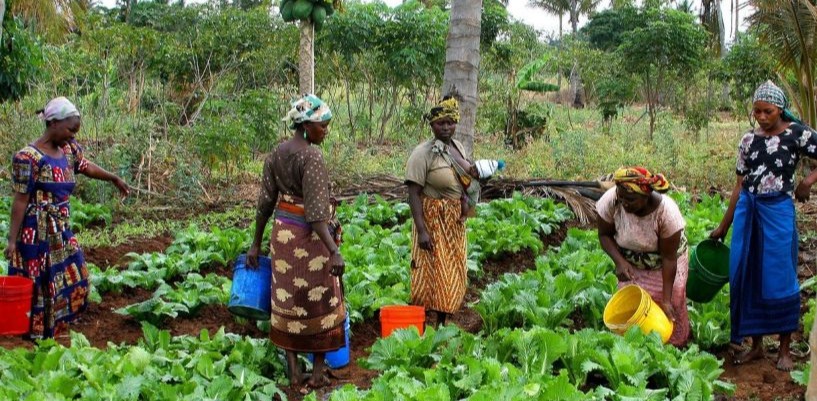
Across Africa, women are the backbone of agriculture, responsible for producing the majority of food consumed locally. Yet, they often face significant barriers to resources, land ownership, and decision-making power. In recent years, women-led community garden initiatives, supported by organizations like Dilulu, have emerged as powerful catalysts for change, transforming not only landscapes but also lives and communities.
These gardens are more than just plots of land; they are vibrant hubs of activity where women cultivate food security, economic independence, social cohesion, and environmental stewardship. This article highlights the profound impact of these initiatives, showcasing how women are leveraging gardening to build resilient and thriving communities.
Cultivating Food Security and Nutrition
One of the most immediate impacts of women-led gardens is improved household food security and nutrition. By growing a diverse range of vegetables, fruits, and herbs, women ensure their families have access to fresh, nutritious food, often supplementing staple crops with essential vitamins and minerals.
In many Dilulu-supported projects, women's groups prioritize growing nutrient-dense crops like moringa, amaranth, and orange-fleshed sweet potatoes. This focus on nutritional diversity directly combats malnutrition, particularly among children and pregnant women. The surplus produce is often shared within the community, extending the benefits beyond the participating households.
Key Nutritional Benefits Observed:
- Increased consumption of diverse vegetables and fruits
- Improved dietary diversity scores for participating families
- Reduction in micronutrient deficiencies, especially Vitamin A and Iron
- Enhanced knowledge of nutritious food preparation methods
Fostering Economic Empowerment
Women-led gardens often evolve into income-generating enterprises. Surplus produce is sold in local markets, providing women with an independent source of income. This economic empowerment has far-reaching effects, enabling women to invest in their children's education, healthcare, and small businesses.
Dilulu supports these initiatives by providing training in financial literacy, marketing, and value addition (such as drying vegetables or making jams). Some groups have established savings and loan associations, further strengthening their economic resilience and collective bargaining power.

Members of a women's garden cooperative selling their fresh produce at a bustling local market.
Building Social Cohesion and Leadership
Community gardens provide a vital space for women to connect, share knowledge, and support each other. Working together fosters collaboration and strengthens social bonds within the community. These gardens often become platforms for discussing broader community issues and organizing collective action.
Furthermore, these initiatives empower women to take on leadership roles. Managing the garden, organizing sales, and participating in training sessions build confidence and develop valuable skills. Many women involved in these projects go on to become respected leaders and decision-makers within their communities.
"Before the garden, we worked alone. Now, we work together, learn together, and solve problems together. The garden has made us stronger as women and as a community."
— Fatou Ndiaye, Leader of the Keur Moussa Women's Garden Group, Senegal
Promoting Sustainable Practices and Environmental Stewardship
Women-led gardens are often at the forefront of adopting and promoting sustainable agricultural practices. Techniques like composting, water harvesting, natural pest management, and seed saving are commonly employed, reducing reliance on expensive and potentially harmful chemical inputs.
These practices not only enhance the long-term productivity of the gardens but also contribute to broader environmental health. By championing sustainable methods, women become key agents of environmental stewardship in their communities, preserving biodiversity and building resilience to climate change.
Case Study: The "Green Hands" Cooperative, Ghana
The Green Hands Cooperative in rural Ghana started as a small group of 15 women supported by Dilulu. Initially focused on subsistence farming, the group quickly adopted sustainable techniques learned through workshops. They implemented rainwater harvesting systems, established a community composting center, and began saving indigenous seeds.
Within three years, the cooperative grew to over 50 members. Their garden now produces a surplus of organic vegetables sold in nearby towns. The income generated has funded a small community library and supported several members in starting poultry businesses. The cooperative has become a model for sustainable agriculture in the region, hosting training sessions for neighboring communities.
Overcoming Challenges
Despite their success, women-led garden initiatives face challenges. Access to land tenure, water resources, and markets remain significant hurdles in many areas. Traditional gender roles can sometimes limit women's participation or control over income.
Dilulu works with communities and local authorities to address these challenges through advocacy, targeted training, and infrastructure support (like drilling wells or providing market access). Building strong partnerships with male community members and leaders is also crucial for ensuring the long-term success and sustainability of these initiatives.
The Future is Female-Led and Green
Women-led garden initiatives demonstrate the powerful intersection of gender equality, food security, economic development, and environmental sustainability. By investing in these projects, we invest in the resilience and prosperity of entire communities.
As Dilulu continues to support and expand these programs, the focus remains on empowering women not just as beneficiaries but as leaders and innovators in sustainable agriculture. The success stories emerging from these gardens across the continent offer a hopeful vision for a future where women lead the way in cultivating healthier, more equitable, and resilient communities.
Supporting these initiatives can take many forms, from volunteering time and expertise to donating resources or purchasing produce from women's cooperatives. Every contribution helps these vital community hubs continue to grow and thrive.


