
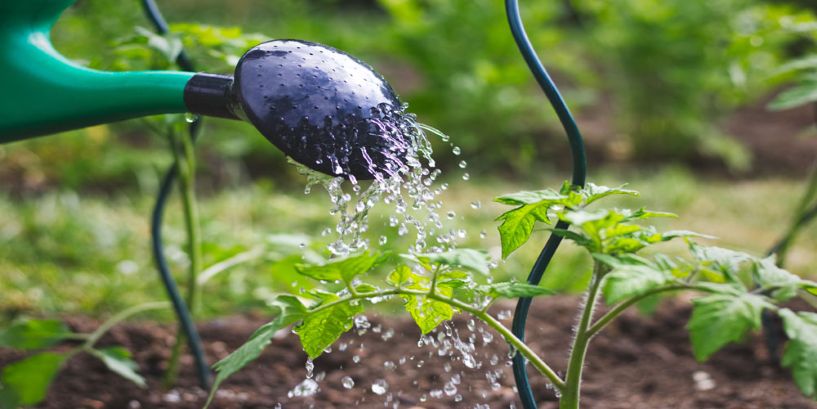
As climate patterns shift and water scarcity becomes an increasing concern in many regions across Africa, adopting drought-resistant gardening techniques is more critical than ever. These strategies not only help conserve precious water resources but also ensure that communities can continue to grow food and maintain green spaces even in challenging arid or semi-arid conditions. This article explores practical methods for creating resilient and productive gardens that thrive with less water.
Understanding Your Soil's Role in Water Retention
Healthy soil is the foundation of any successful garden, especially a water-wise one. Soil rich in organic matter acts like a sponge, absorbing and holding moisture for plants to access when needed.
- Improve Soil Structure: Incorporate well-rotted compost, aged manure, or other organic materials to improve soil structure. This enhances aeration in clay soils and water retention in sandy soils.
- Regularly Add Organic Matter: Continuous addition of compost helps build up humus, which significantly increases the soil's water-holding capacity.
- Avoid Soil Compaction: Use designated pathways in your garden and avoid tilling excessively, as compacted soil reduces water infiltration and root growth.
Water-Wise Irrigation Methods
Efficient irrigation ensures that water goes directly to the plant roots where it's needed most, minimizing loss through evaporation or runoff.
Key Irrigation Strategies:
- Drip Irrigation: Delivers water slowly and directly to the base of plants, reducing water use by up to 70% compared to traditional sprinklers.
- Soaker Hoses: Porous hoses that weep water along their entire length, providing gentle, deep watering to garden beds.
- Ollas (Clay Pots): Unglazed clay pots buried in the soil and filled with water, which seeps out slowly through the porous walls to irrigate surrounding plants. This ancient technique is highly effective in arid climates.
- Watering Times: Water early in the morning or late in the evening to reduce evaporation. Water deeply and less frequently to encourage deeper root growth, making plants more resilient.
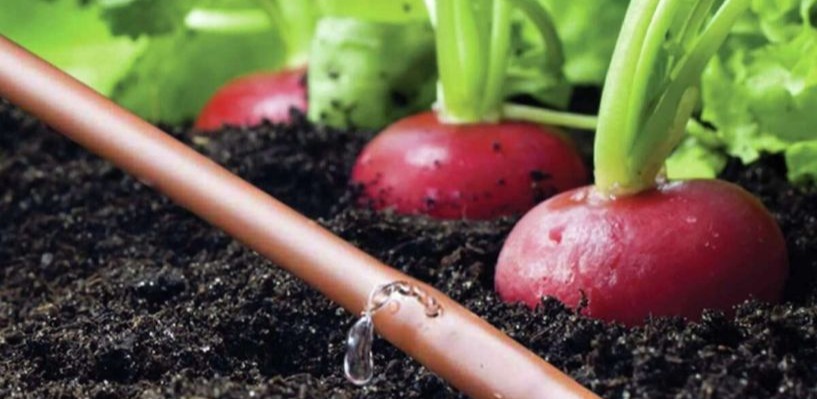
A drip irrigation system delivering water efficiently to young plants.
The Power of Mulching
Mulch is a gardener's best friend in dry conditions. A layer of mulch spread over the soil surface helps to conserve moisture, suppress weeds (which compete for water), regulate soil temperature, and add organic matter as it breaks down.
- Organic Mulches: Straw, wood chips, shredded bark, grass clippings, or compost can be used. Apply a layer 5-10 cm thick, keeping it a few centimeters away from plant stems to prevent rot.
- Inorganic Mulches: Gravel or pebbles can also be used, particularly in ornamental or rock gardens. They are durable and help conserve moisture but don't add nutrients to the soil.
Selecting Drought-Tolerant Plants
Choosing plants adapted to dry conditions is a cornerstone of drought-resistant gardening. Many native African plants are naturally resilient and require minimal water once established.
Examples of Drought-Tolerant Plants:
- Vegetables: Amaranth, cowpeas, Bambara groundnuts, certain varieties of sorghum and millet, okra, and sweet potatoes.
- Herbs: Rosemary, thyme, oregano, lavender, and many indigenous medicinal herbs.
- Fruits: Baobab, marula, desert date, and certain citrus varieties if managed well.
- Ornamentals: Succulents (like aloes and agaves), bougainvillea, acacia trees, and native grasses.
Research local plant varieties that are known to perform well in your specific climate and soil conditions.
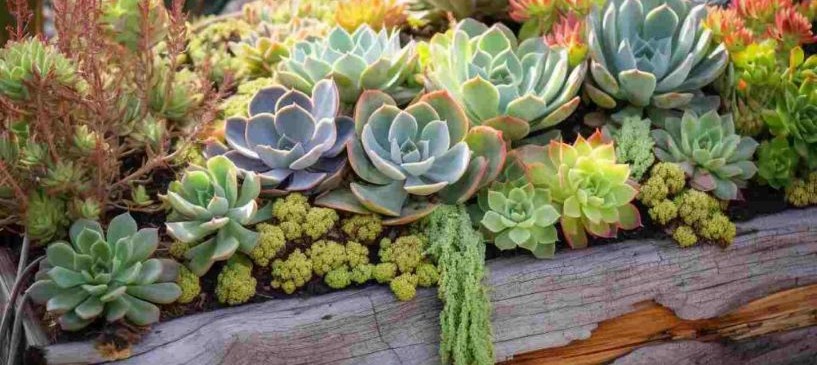
Succulents are excellent choices for water-wise landscaping.
Garden Design for Water Conservation
Thoughtful garden design can significantly reduce water needs.
- Group Plants by Water Needs (Hydrozoning): Place plants with similar water requirements together to avoid overwatering some while underwatering others.
- Create Sunken Beds or Swales: These features help capture and retain rainwater, allowing it to soak into the soil slowly.
- Utilize Windbreaks: Planting hedges or installing fences can reduce water loss from wind evaporation.
- Incorporate Permeable Surfaces: Use gravel paths or permeable pavers instead of solid concrete to allow rainwater to seep into the ground.
Harnessing Rainwater
Every drop of rainwater is precious. Implementing rainwater harvesting systems can provide a sustainable water source for your garden.
- Rain Barrels: Collect runoff from rooftops in barrels or larger cisterns.
- Swales and Berms: Contour the land to slow down and capture rainwater, allowing it to infiltrate the soil.
Embracing Traditional Dryland Farming Wisdom
Many traditional farming practices across Africa have evolved over centuries to cope with arid conditions. These techniques often involve intercropping, using specific local varieties, and understanding microclimates. Learning from and adapting these methods can provide valuable insights for modern drought-resistant gardening.
Conclusion: A Resilient Future
Creating a drought-resistant garden is an investment in a sustainable future. By improving soil health, choosing appropriate plants, watering wisely, and employing smart design techniques, gardeners can cultivate thriving landscapes that are both beautiful and productive, even as our climate changes. These practices not only conserve water but also build resilience within our communities and food systems.


